It’s fascinating how ideas develop on the easel of imagination and eventually become a novel.
For me, it started with a place—an old schoolhouse near Bluejacket, Oklahoma, where my dad and his siblings attended school. Not far from that long-gone schoolhouse were the mines where my grandfather Taylor once swung his pickaxe.
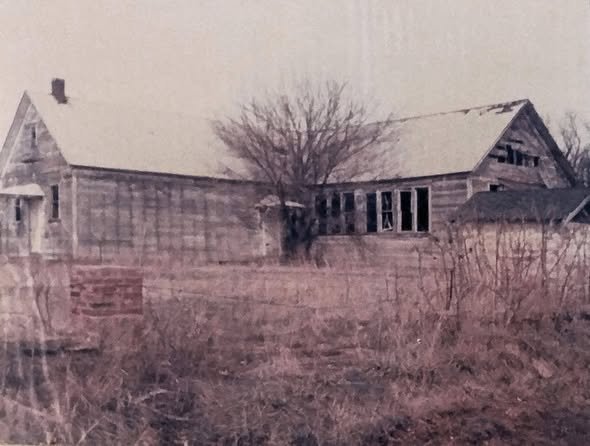
Timber Hill School
Those memories and places became part of the landscape of Seven Hills.
Mining drives the economy of Jasper, Oklahoma, the fictional town at the heart of the novel. The real mines of northeastern Oklahoma and the surrounding Tri-State Mining District helped supply the lead that went into the ammunition of two world wars. The story draws loosely from the history of towns like Douthat, Cardin, and Picher—places that once thrived and have largely disappeared.
Now, they say that when you finish writing a book, you ought to be able to explain it to someone during an elevator ride from the first floor to the second.
So imagine we're standing in the lobby. The elevator doors open. We step inside.
Here's my pitch for Seven Hills.
Clay Boyd, Percy Walker, and Grace Ryan come of age in the shadow of the lead mines that helped America win two world wars. As storms gather over the small Oklahoma town of Jasper, their lives become entangled in baseball, ghosts, and secrets buried deep beneath the earth.
Decades later, in the quiet light of New England, what remains is love, memory, and the possibility of forgiveness rising from the ruins.
Not all buried things stay buried.
Seven Hills is a story about what rises from the ashes.